
What Are Low Sugar Snacks for Adults?
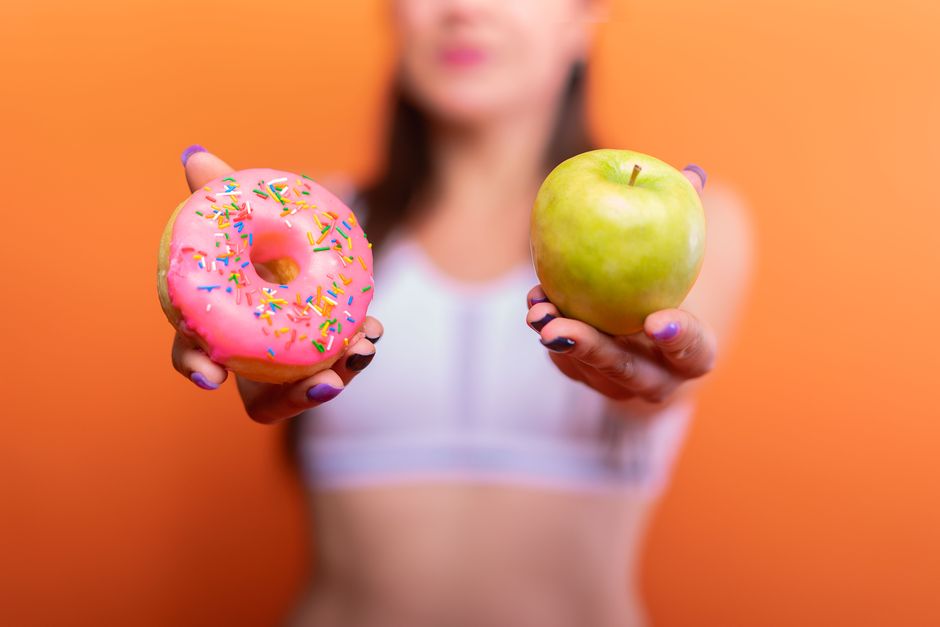
Low sugar snacks for adults can be sweet or savory: pair whole fruit, plain yogurt, vegetables, nuts, eggs, or hummus to make a satisfying option without relying on added sugar. Check the Nutrition Facts label for added sugars and serving size, since total sugars also include natural sugars in foods such as fruit and plain dairy. Choose portions and storage that fit your day.
What are filling low sugar snacks for adults between meals?
Filling low sugar snacks for adults combine foods such as fruit, nuts, yogurt, cottage cheese, hummus, or vegetable sticks. Pairing a crisp or sweet food with a protein-containing choice makes a snack more substantial than choosing a small sweet on its own.
Harvard T.H. Chan School of Public Health lists raw vegetables, fresh fruit, nuts, and plain yogurt as nutrient-dense snack choices. It also describes matching food to the craving: fruit for something sweet, or hummus and vegetable sticks for something savory. These pairings offer a simple way to make snack choices varied without making “sugar-free” the only goal.
Portion matters. Harvard gives a general snack guide of about 150–250 calories and notes that a packaged snack may contain multiple portions. For almonds, one serving is 1 ounce, about 23 almonds or ¼ cup; Harvard reports that serving provides about 165 calories, 6 grams of protein, and 3 grams of fiber. Those figures refer to Harvard’s cited nutrition information; use the package label for the specific product in hand.
A bowl of plain yogurt with fruit, or a measured portion of almonds alongside fruit, can be a sweet-leaning snack. Vegetables with hummus or cottage cheese offer a savory route. For more portable breakfast-style combinations, see What Are Practical Portable Breakfasts for Work or a Commute?
What are some easy low sugar snacks I can take to work?
Easy low sugar work snacks are those that travel well, match the day’s storage options, and have little or no added sugar on the label. Whole fruit and a portioned serving of plain nuts need no refrigeration in many ordinary work settings; yogurt and cottage cheese need to stay cold.
Use the table as a planning guide, not a guarantee about every brand. Added sugar depends on the product and preparation, so check packaged food labels and choose plain versions when practical.
| Snack | Added sugar check | Protein or fiber angle | Portability and storage |
|---|---|---|---|
| Whole fruit with plain nuts | Fruit contains natural sugar; check flavored nuts for added sugar | Nuts contribute protein and fiber | Portable; no refrigeration usually needed |
| Plain yogurt with fruit | Plain yogurt avoids sweetened flavoring; fruit adds natural sugar | Yogurt contributes protein | Portable in a sealed container; keep cold |
| Raw vegetables with hummus | Check hummus packaging for added sugar | Vegetables add fiber; hummus makes the pairing more substantial | Pack in a container; refrigeration is useful |
| Cottage cheese with vegetables | Check the product label | Cottage cheese contributes protein | Keep cold |
Batching combinations can make workday choices easier. Keep nuts in a portioned container rather than eating directly from a large bag, and pack wet or refrigerated foods separately where needed. If a snack comes in a single package, check whether the Nutrition Facts serving size covers the whole package.
Plain foods are a useful starting point, not a strict rule. Harvard notes that flavored almonds, including honey-roasted varieties, may contain more sugar than plain almonds. The product name alone does not show how much; the nutrition information does.
How can I tell how much added sugar a snack has?
To tell how much added sugar a snack has, check the Nutrition Facts panel’s “Added Sugars” line and compare it with the listed serving size. The “Total Sugars” amount includes both added sugars and sugars that occur naturally in foods.
This difference matters when comparing fruit or plain dairy with a sweetened packaged snack. A food can have total sugar because it contains fruit or milk sugars without having the same amount of added sugar. Conversely, a snack marketed as wholesome or made with flavored ingredients can still have added sugar.
Read the serving size first. If the package contains more than one serving, the numbers on the panel apply to one listed serving, not automatically to the entire package. This is also why Harvard’s reminder about multiple portions per package matters: a label comparison only works when the amount you plan to eat matches the amount listed.
For nuts, check the specific product. Harvard says flavored almonds, including honey-roasted varieties, may have more sugar and recommends checking product nutrition information. A short label-reading routine is enough: find serving size, look at added sugars, then decide whether the portion fits the snack you intend to eat.
Is fruit still a good snack if it contains natural sugar?
Fruit can still be a good snack when it contains natural sugar. Harvard includes fresh fruit among nutrient-dense snack choices, and the label distinction is that total sugars include naturally occurring sugars while added sugars are listed separately.
That means “low sugar” does not have to mean avoiding fruit. A piece of fruit paired with plain yogurt or nuts gives a sweet option alongside foods that contribute protein or fiber. Harvard also suggests almonds with fruit or as a topping for yogurt or cereal.
Natural sugar and added sugar are different label categories, but the overall snack still deserves a portion check. Harvard’s general guide is about 150–250 calories per snack, and its almond serving example shows why even nutrient-dense foods can add up when portions grow. Use that guide as context, not as a personal prescription.
People also differ in digestive responses to foods. NIDDK explains that some carbohydrates are not fully digested in the small intestine and can be broken down by gut bacteria, producing gas. The institute also notes that some people experience more gas with certain sweeteners; ongoing or diet-related symptoms are a reason to discuss food patterns with a doctor or dietitian.
Frequently Asked Questions
What are some sweet low sugar snacks that aren’t sugar-free products?
Fresh fruit with plain yogurt, or fruit paired with nuts, makes a sweet snack without needing a sugar-free product. Harvard lists fresh fruit, nuts, and plain yogurt among nutrient-dense snack choices; flavored nuts can contain more sugar, so check the label.
Which savory snacks have little or no added sugar?
Raw vegetables with hummus, plain nuts, cottage cheese, and plain yogurt can work as savory snacks, depending on the product. Check packaged foods for added sugars, since flavors and coatings can change what a product contains.
Do low sugar packaged snacks use sweeteners that can upset your stomach?
Some products contain sugar alcohols with names ending in “-ol,” such as sorbitol, mannitol, xylitol, erythritol, and maltitol. NIDDK says some people experience more gas from these sweeteners. If symptoms persist or seem diet-related, NIDDK advises discussing them with a doctor or dietitian.
Sources
- National Institute of Diabetes and Digestive and Kidney Diseases (NIDDK)
- Harvard T.H. Chan School of Public Health, The Nutrition Source: Snacking
- Harvard T.H. Chan School of Public Health, The Nutrition Source: Almonds
Disclaimer: This article is for general information only and is not medical advice. It is not a substitute for diagnosis or treatment by a qualified healthcare professional. Always speak to your doctor before acting on anything you read here.
Keep reading
What Are the Best Snacks for Osteoporosis Without Supplements?
Practical calcium, protein, and vitamin D snack ideas for osteoporosis using ordinary foods instead of candy-like supplements.

Where Can I Find Low-Cost Veterinary Care Near Me?
Find low-cost veterinary care, check clinic eligibility and paperwork, and confirm services, fees, appointments, and emergency limits before traveling.

How Can Adults Over 65 Lose Weight Without Losing Muscle?
A practical, evidence-based guide to intentional weight loss after 65 while protecting muscle, nutrition, strength, and independence.

Whats the Best Drinking Water for Everyday Use?
The best everyday drinking water depends on local quality: choose safe tap, targeted filtration, or bottled water for practical needs.