
Whats the Best Drinking Water for Everyday Use?
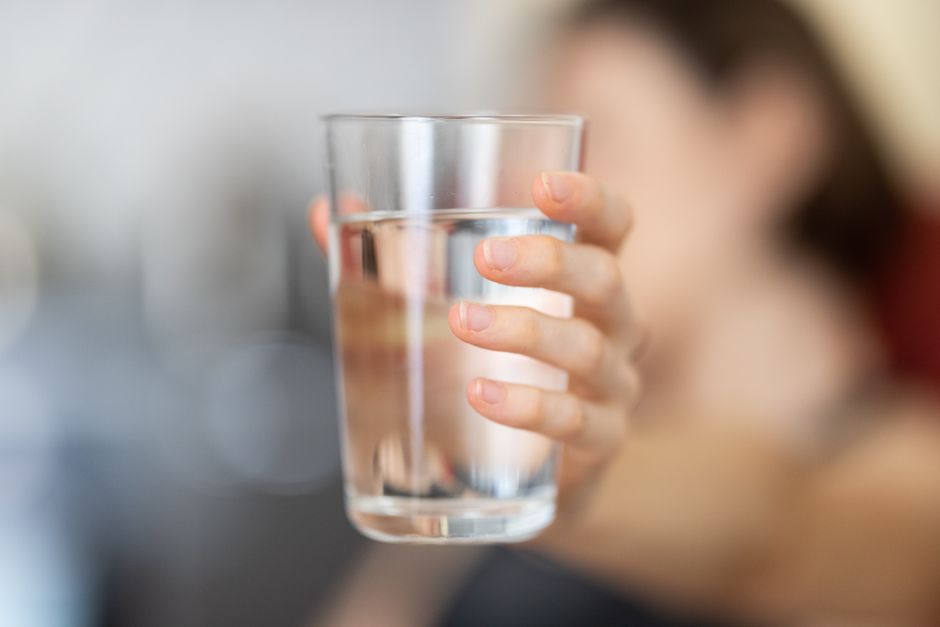
Whats the best drinking water depends on local water quality, taste, and household needs. Safe municipal tap water is a practical everyday choice; filtering can target a known contaminant or improve taste, while bottled spring, purified, or mineral water suits preferences and access needs. Private-well water calls for regular testing before choosing treatment.
Is tap water or bottled water better to drink every day?
For everyday use, safe tap water is generally the simpler choice; bottled water is an option when access, taste, or convenience makes it preferable. The deciding fact is water quality, not the container or label. A “spring,” “purified,” or “mineral” description does not by itself show that one water is safer or healthier for a particular household.
Community water systems must provide customers an annual Consumer Confidence Report by July 1, according to the U.S. Environmental Protection Agency (EPA). The report describes the water source, regulated contaminants found, potential health effects of violations, and steps taken to address unsafe levels. Customers can request it from their supplier or search with EPA’s Consumer Confidence Report information.
A private well changes the responsibility. Unlike public water systems, private domestic wells are not regulated under the federal Safe Drinking Water Act in the same way; owners are responsible for household water safety. EPA reports that about 15% of the U.S. population, or over 43 million people, rely on private wells. Its page on private drinking water wells also cites a U.S. Geological Survey study in which about one in five of 2,100 tested wells had at least one contaminant above a human-health benchmark. These figures describe U.S. wells, not every well or location.
For a practical first choice, use the report or test result to distinguish a documented water-quality concern from preference. If municipal water meets applicable requirements and its taste is acceptable, bottled water is not automatically a health upgrade. If the taste is objectionable, a suitable point-of-use filter can address taste without switching the whole household to bottled water.
Should I filter tap water if my local water is treated?
Filter treated tap water when testing or reliable local information identifies a concern the filter is certified to reduce, or when you want to address taste or odor. Treatment is not a one-size-fits-all safeguard: the filter must match the contaminant. EPA’s WaterSense guide to selecting water treatment systems says EPA sets legal limits for more than 90 drinking-water contaminants under the Safe Drinking Water Act and that conventional public-water treatment is highly successful at pathogen removal.
Taste and smell are not reliable tests for safety. EPA notes that most harmful contaminants do not affect water’s taste or smell. A change in taste, odor, or color still deserves attention—especially for a private well—but clear, pleasant water is not proof that all possible contaminants are absent.
Start with the Consumer Confidence Report for community water or laboratory results for a well. Then check the product’s performance data sheet and certification to the relevant NSF/ANSI standard. EPA’s guide identifies NSF/ANSI 42 for aesthetic effects such as taste and odor, and NSF/ANSI 53 for health effects; other standards apply to emerging compounds and reverse-osmosis systems. Match the claim on the filter to the contaminant of concern rather than relying on broad phrases such as “purifies water.”
Private-well owners should use a state-certified drinking-water laboratory. EPA recommends annual tests for total coliform bacteria, nitrates, total dissolved solids, and pH. Test promptly after flooding, major nearby land-use changes, well repairs, or a change in water’s taste, odor, or color. Local risks can guide extra testing; for example, agriculture nearby can warrant tests for nitrate, nitrite, pesticides, and coliform bacteria.
Filter scale matters too. A point-of-use system treats water at the drinking or cooking tap. EPA says point-of-entry, whole-house systems generally cost several thousand dollars. A focused tap filter is therefore a more proportionate starting point when the issue affects drinking and cooking water rather than the entire household supply.
Is spring water healthier than purified water?
Neither spring water nor purified water is inherently healthier; the relevant questions are safety, mineral content, taste, cost, and access. “Spring” describes a source, while “purified” describes treatment. Mineral water refers to water containing minerals, but these names alone do not establish a health advantage over safe tap water.
Reverse osmosis (RO) is one treatment option, not a universal improvement. In a 2023 study of 20 households in Srinagar, India, household RO systems reduced measured magnesium by about 50% and removed detectable fluoride from the studied water. The authors estimated that RO water cost three to four times as much as tap water in that study area and found higher environmental impacts in the scenarios assessed. Those results depend on the local water, prices, and equipment; they should not be assumed to describe every RO system or household.
The study helps show why the starting water matters. Removing a contaminant is useful when that contaminant is present at a level that calls for treatment. Removing substances from water that does not have the identified problem adds cost without establishing a general health benefit. The study’s change in magnesium also illustrates that treatment can alter water composition; the supplied evidence does not show that all RO users need minerals added back.
Alkaline water is another product with health claims that exceed the evidence described by the cited medical sources. Harvard Health reports no evidence supporting alkaline water over safe tap water or regular bottled water for general use. It notes that water does not meaningfully change blood pH in healthy people because the kidneys regulate it. Mayo Clinic likewise says alkaline water is not better than plain water for most people; disease-prevention claims are not established, and it notes safety concerns linked to pH above 9.8, particularly for people with kidney disease.
These distinctions make the choice more straightforward: use safe, accessible water that meets household needs; investigate a specific quality concern with a report or test; and select treatment according to documented performance. If you want extra mineral content or a particular taste, that is a preference—not proof of superior hydration or health.
Frequently Asked Questions
Does reverse osmosis water need minerals added back?
The supplied sources do not establish that everyone needs minerals added to reverse-osmosis water. A 2023 study of 20 households in Srinagar found that the studied RO systems reduced measured magnesium by about 50%, but that result applies to those systems and that location. The water’s composition and the rest of a person’s diet matter to the question.
How can I tell which contaminants are in my drinking water?
For community water, request or search for the annual Consumer Confidence Report, which describes the source and regulated contaminants found. Private-well owners can use a state-certified drinking-water laboratory; EPA recommends annual testing for total coliform bacteria, nitrates, total dissolved solids, and pH. Additional tests can be guided by nearby risks and changes to the well or water.
Is alkaline water actually better for you?
Harvard Health and Mayo Clinic report no established general advantage over safe tap or plain water. Alkaline water does not meaningfully change blood pH in healthy people, and Mayo notes safety concerns have been linked to pH above 9.8, particularly for people with kidney disease. Health claims such as disease prevention are not established.
Sources
- U.S. Environmental Protection Agency — Consumer Confidence Reports
- U.S. Environmental Protection Agency — WaterSense Guide to Selecting Water Treatment Systems
- U.S. Environmental Protection Agency — Protect Your Home’s Water
- U.S. Environmental Protection Agency — Private Drinking Water Wells
- Harvard Health Publishing — Is alkaline water better?
- Mayo Clinic — Alkaline water: Better than plain water?
- Journal of Water, Sanitation and Hygiene for Development — Tap water versus household reverse-osmosis systems in Srinagar
Disclaimer: This article is for general information only and is not medical advice. It is not a substitute for diagnosis or treatment by a qualified healthcare professional. Always speak to your doctor before acting on anything you read here.
Keep reading
How Do I Build a Routine When Depression Makes Everyday Tasks Feel Hard?
A practical behavioral-activation guide for building a smaller routine when depression makes daily tasks and avoidance feel overwhelming.
What Are the Best Snacks for Osteoporosis Without Supplements?
Practical calcium, protein, and vitamin D snack ideas for osteoporosis using ordinary foods instead of candy-like supplements.
Why Do I Need an Anticoagulant for AFib?
Understand why AFib anticoagulants are prescribed, how bleeding risk is reviewed, and which safety concerns to raise with a clinician.

What Are Practical Portable Breakfasts for Work or a Commute?
Portable breakfast ideas that pair protein, fiber, and produce, plus practical food-safety steps for work and commuting.