
What Are Practical Portable Breakfasts for Work or a Commute?
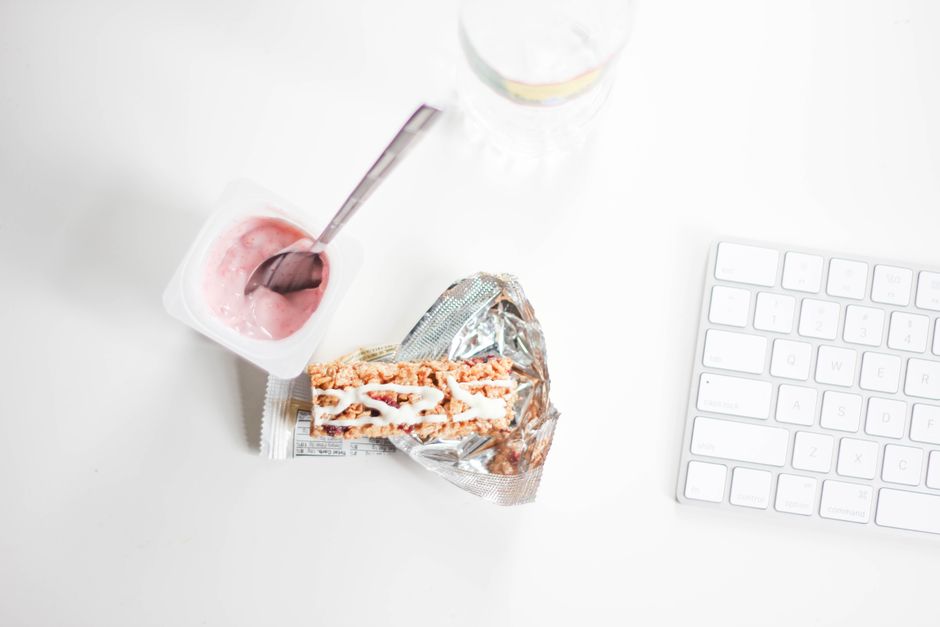
The most practical portable breakfast uses a simple build: a protein food, a fiber-rich whole grain or plant food, and fruit or vegetables, packed at the right temperature. Think yogurt with oats and fruit, eggs with whole-grain toast and produce, or a peanut butter and apple wrap. The meal matters, but so does the handoff: cold food needs a cold pack and a plan.
What are the best sources of protein to eat for breakfast at work?
The best protein source is the one that fits your workspace, travel time, and storage setup without turning breakfast into a logistics project. The Dietary Guidelines for Americans, 2020-2025 lists eggs, seafood, lean meats, poultry, beans, peas, lentils, nuts, seeds, and soy products among protein-food choices. Dairy or fortified soy alternatives are also core elements of the healthy eating pattern described in that guidance.
Use the desk test: can the food be eaten cold, held safely until break time, or heated where you work? Hard-boiled eggs and a yogurt jar work when you bring an insulated bag. Nut butter on whole-grain bread works when refrigeration is unavailable. A shelf-stable option is not automatically a complete breakfast; add fruit or vegetables and a fiber source instead of treating a bar as the whole plan.
A ready-made example removes the guesswork. The USDA MyPlate peanut butter and apple wrap recipe, accessed in 2026, combines a whole-wheat tortilla, peanut butter, apple, and granola. One serving provides 12 grams of protein and 5 grams of dietary fiber, according to USDA MyPlate guidance accessed in 2026, and it is specifically described as suitable for packing for work.
| Breakfast build | Portable version | Why it earns a place |
|---|---|---|
| Eggs plus whole grain plus produce | Hard-boiled eggs, whole-grain toast, and rinsed fruit | Uses a listed protein food and keeps components separate until eating. |
| Yogurt plus oats plus fruit | Plain yogurt jar with rolled oats, fruit, nuts, and cinnamon | Matches an American Heart Association make-ahead breakfast format. |
| Nut butter plus fruit plus whole grain | Peanut butter and apple whole-wheat wrap | USDA MyPlate lists 12 grams of protein and 5 grams of fiber per serving in guidance accessed in 2026. |
| Beans or soy plus whole grain plus vegetables | A prepared grain-and-bean container with vegetables | Uses protein foods named in the Dietary Guidelines for Americans, 2020-2025. |
The point is not to find a perfect food. It is to reduce the gap between what sounds healthy and what survives a rushed morning. Choose a protein base first, then add the fiber and produce before the container closes.
What is a healthy breakfast I can pack the night before?
A healthy breakfast you can pack the night before is a cold, assembled meal such as a yogurt jar with fruit, nuts, and rolled oats, or a whole-grain wrap with nut butter and fruit. The American Heart Association breakfast guidance, accessed in 2026, also names unsweetened instant oatmeal with walnuts and fruit, homemade smoothies in a thermos, and hard-boiled eggs as make-ahead choices.
Make the overnight decision boring in the useful way. Prepare components that can be recombined: rinse produce, portion nuts or seeds, cook eggs, and set out jars or wraps. The next morning becomes assembly, not negotiation.
Use this label swap when packaged foods enter the plan. Weak version: “This says protein, so it is breakfast.” Strong version: “This has protein; now compare its Added Sugars, saturated fat, sodium, and fiber with the alternatives.” The American Heart Association label guidance, accessed in 2026, says 20% Daily Value or more is high for nutrients to emphasize and advises comparing brands for less added sugar, saturated fat, and sodium. Its guidance also says adults need at least 25 to 34 grams of dietary fiber daily, accessed in 2026.
That comparison matters because “total sugars” and “added sugars” are not the same line item. The American Heart Association added-sugars guidance, accessed in 2026, identifies sweetened yogurt, flavored milk, breakfast cereals, and breakfast bars as common sources of added sugars. Plain yogurt with fruit gives you control over what makes it sweet; a flavored product may not.
What can I eat for breakfast at work without a microwave?
Without a microwave, choose foods designed to be eaten cold or at room temperature only when they are shelf-stable, then protect refrigerated foods with an insulated bag and cold packs. This is the dividing line: a cold breakfast can be convenient, but it is still perishable if it contains foods such as yogurt, eggs, milk, cooked meat, or cut produce.
The U.S. Food and Drug Administration food-safety guidance, accessed in 2026, says cold food should be kept at 40 degrees F or below with ice or frozen gel packs. The same FDA guidance, accessed in 2026, says food should not remain between 40 and 140 degrees F for more than 2 hours, or more than 1 hour when temperatures exceed 90 degrees F.
Run the commute check before packing. Put the cold breakfast next to the frozen gel pack, not loose in a work bag. Pack drinks separately when possible, because repeatedly opening the cooler warms the food around it, according to FDA guidance accessed in 2026. If you pack fresh produce, rinse it under running water before packing; FDA guidance accessed in 2026 says ready-to-eat, washed, or triple-washed packaged produce does not need washing.
For a no-microwave rotation, use a yogurt jar, eggs with fruit and whole-grain bread, a peanut butter and apple wrap, or a thermos smoothie. If weight management is part of the broader conversation, the useful starting point is not a restrictive breakfast rule but a consistent eating pattern; this site’s guide on losing weight without losing muscle after age 65 explains why maintaining muscle deserves attention.
Give yourself one weekday drill: pack tomorrow’s protein, fiber, and produce before leaving the kitchen tonight. Then ask one question at work: “Did this stay cold, travel cleanly, and keep the midmorning snack scramble from starting?” Keep the version that passes all three tests.
Frequently Asked Questions
How can I make a quick breakfast that keeps me full until lunch?
Use the three-part build: a protein food, a fiber-rich food, and fruit or vegetables. Examples supported by American Heart Association make-ahead ideas include a yogurt jar with fruit, nuts, and rolled oats, or whole-grain toast with nut butter or cottage cheese and sliced fruit. Check labels when buying packaged components and compare added sugars, sodium, and saturated fat.
Which breakfast foods are high in protein but low in added sugar?
Plain yogurt, hard-boiled eggs, cottage cheese, nuts, nut butter, beans, lentils, soy foods, and unsweetened oatmeal can fit that brief. The American Heart Association identifies sweetened yogurt, flavored milk, breakfast cereal, and breakfast bars as common added-sugar sources, so the Added Sugars line on the Nutrition Facts label is the faster comparison tool.
Sources
- U.S. Food and Drug Administration: Handling Food Safely While Eating Outdoors
- USDA MyPlate: Peanut Butter and Apple Wraps
- American Heart Association: Understanding Food Nutrition Labels
- American Heart Association: How to Make Breakfast a Healthy Habit
- Dietary Guidelines for Americans, 2020-2025
- American Heart Association: Added Sugars
Disclaimer: This article is for general information only and is not medical advice. It is not a substitute for diagnosis or treatment by a qualified healthcare professional. Always speak to your doctor before acting on anything you read here.