
What Are the Best Snacks for Osteoporosis Without Supplements?
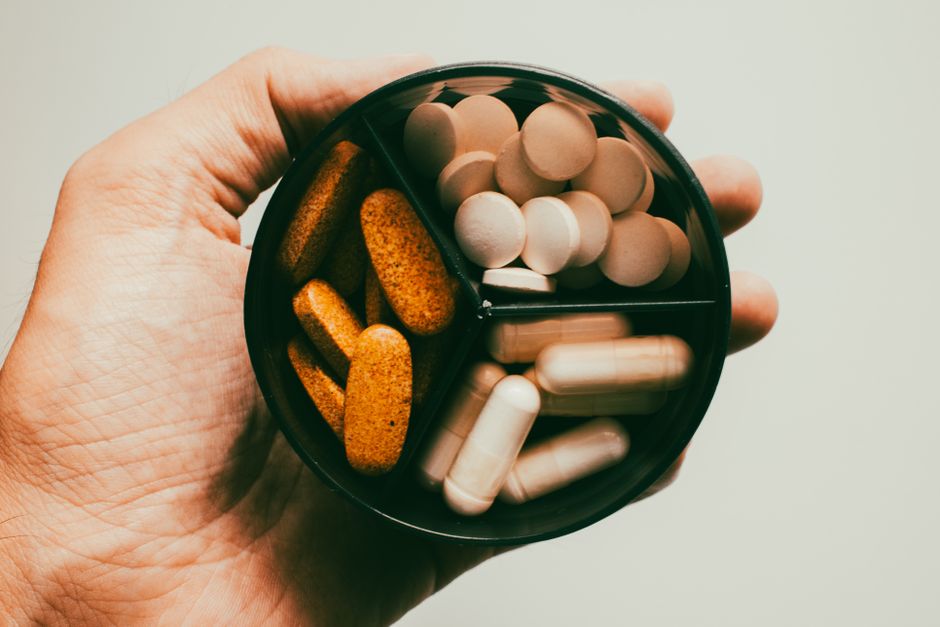
Good osteoporosis-friendly snacks pair calcium-rich foods with protein foods and include vitamin D sources when practical: yogurt with nuts, fortified soy beverage with calcium-set tofu, or canned salmon with bones are useful examples. Build snacks around real foods, check fortified labels, and keep sodium in view rather than relying on candy-like supplements.
What are good snacks to eat if I have osteoporosis?
Good snacks for osteoporosis use a simple structure: choose a calcium anchor, add a protein food, then look for vitamin D where it naturally fits. This is the snack stack: fewer scattered choices, more useful nutrition in one small eating occasion.
The NIH Office of Dietary Supplements calcium fact sheet identifies milk, yogurt, and cheese as main calcium sources for many people in the United States. It also lists canned salmon or sardines with bones, kale, broccoli, Chinese cabbage, calcium-fortified soy or almond beverages, calcium-fortified tofu, juices, and ready-to-eat cereals as alternatives.
| Snack stack | Calcium anchor | Protein-food addition | Vitamin D or planning note |
|---|---|---|---|
| Yogurt and nuts | Yogurt | Nuts | Some dairy products are fortified with vitamin D. |
| Fortified beverage and tofu | Calcium-fortified plant beverage | Calcium-fortified tofu | Use the label to confirm fortification. |
| Canned fish snack | Salmon or sardines with bones | The fish itself | Salmon and sardines are also vitamin D food sources. |
| Hummus and a fortified choice | Calcium-fortified beverage or cereal | Hummus | Useful when a small, portable option is easier to manage. |
The weak move is choosing a snack because its package sounds bone-focused. The stronger move is asking, “What is my calcium anchor, and what protein food is beside it?” That question cuts through marketing quickly.
For people who are also trying to protect muscle while managing body weight, this site’s guide on losing weight without losing muscle after age sixty-five provides related context on making protein choices count.
How can I get more calcium from snacks instead of supplements?
You can get more calcium from snacks by rotating familiar calcium-containing foods instead of repeating one product or treating a supplement-like sweet as the default. The NIH states plainly that recommended calcium amounts can come from eating a variety of foods.
Start with the food pattern that fits your eating style. Dairy eaters can use milk, yogurt, or cheese. People avoiding dairy can use lactose-free dairy, fortified plant beverages, calcium-fortified tofu, canned fish with bones, selected vegetables, or fortified cereals, all options listed by the NIH.
Read labels with one purpose: confirm whether a plant beverage, tofu, juice, or cereal is fortified with calcium. “Plant-based” is not the same thing as “calcium-fortified.” That distinction matters because the calcium contribution comes from the fortified product, not from the label’s general health halo.
Sodium deserves its own check. The Bone Health & Osteoporosis Foundation explains that foods high in salt can cause the body to lose calcium and links this pattern to bone loss. Its practical label screen is direct: a food with at least one-fifth of the Daily Value for sodium is high in sodium. Choose the lower-sodium version when two otherwise similar snack options are available.
Beans can broaden the rotation because the foundation identifies them as sources of calcium, magnesium, and fiber. It also notes that soaking beans for several hours and cooking them in fresh water can reduce phytates, compounds that can interfere with calcium absorption. That is an operational swap: prepare beans this way, then use them in a small soup or hummus-style snack.
What high-protein snacks are good for older adults with osteoporosis?
High-protein snacks for older adults with osteoporosis can include eggs, nuts, peanut butter, tofu, hummus, bean soup, and seafood, paired with a calcium-rich food when possible. The National Institute on Aging advises older adults to choose varied nutrient-dense protein foods, including seafood, eggs, beans, nuts, seeds, and soy products.
Reduced appetite changes the job. A large plate can become a barrier; a compact pairing is often easier to repeat. Try an egg alongside a calcium-rich dairy or fortified food, tofu with a fortified plant beverage, or hummus with a fortified cereal. The point is not a perfect snack. The point is a repeatable one.
Seafood can do double duty. The NIH Office of Dietary Supplements vitamin D fact sheet identifies fatty fish, including salmon, tuna, mackerel, and trout, as among the best natural food sources of vitamin D. Vitamin D promotes calcium absorption in the gut, so a salmon or sardine snack with bones brings the calcium-and-vitamin-D conversation into one practical food choice.
Use a simple before-and-after check. Before: “I will grab whatever is nearby.” After: “I will keep one calcium anchor and one protein food available.” That replacement reduces decision load when appetite, time, or energy is low.
Here is the week’s drill: list the snacks already within reach at home. Mark one calcium anchor beside each protein-food choice. If a snack has neither, replace it with one stack from the table rather than trying to redesign every meal.
Frequently Asked Questions
Are yogurt, cheese, and nuts good for bone health?
Yogurt and cheese are among the main calcium sources for many people in the United States, according to the NIH Office of Dietary Supplements. Nuts are listed by the National Institute on Aging as a nutrient-dense protein food for older adults. A snack that combines yogurt or cheese with nuts brings calcium and a protein-food choice to the same eating occasion.
What should I eat for breakfast or a snack if I have osteoporosis and do not eat meat?
A dairy-free option can start with a calcium- and vitamin D-fortified soy, almond, or oat beverage, then add calcium-fortified tofu, nuts, peanut butter, hummus, or beans. The NIH lists fortified beverages, fortified tofu, vegetables, and fortified cereals among non-dairy calcium options. Check the package, because fortification is what makes many plant-based choices relevant to calcium or vitamin D planning.
Sources
- National Institutes of Health Office of Dietary Supplements: Calcium Fact Sheet for Consumers
- National Institutes of Health Office of Dietary Supplements: Vitamin D Fact Sheet for Health Professionals
- Bone Health & Osteoporosis Foundation: Osteoporosis Diet & Nutrition
- National Institute on Aging: Healthy Eating As You Age
Disclaimer: This article is for general information only and is not medical advice. It is not a substitute for diagnosis or treatment by a qualified healthcare professional. Always speak to your doctor before acting on anything you read here.