
What Is a 7 day protein diet plan for weight loss?
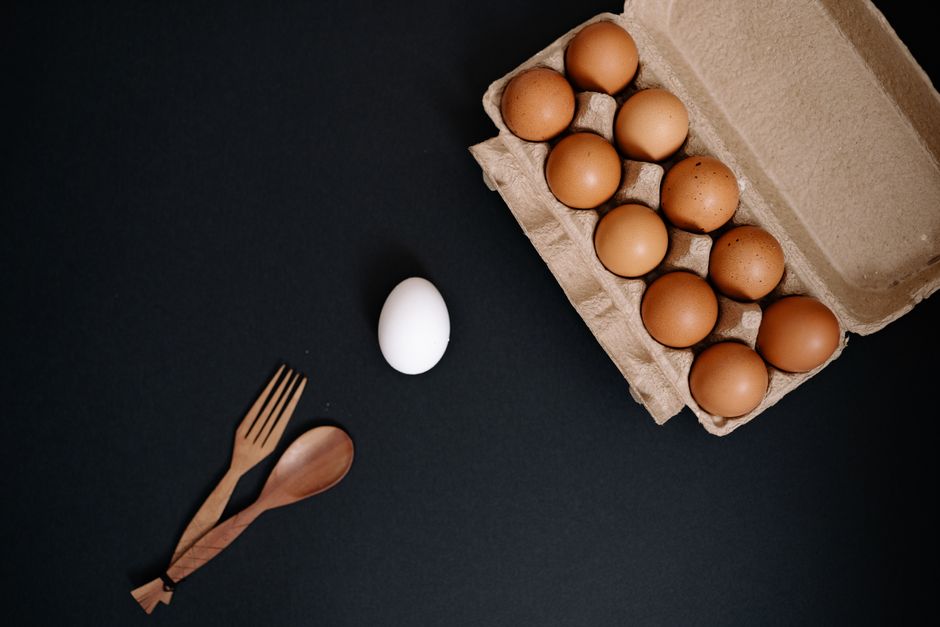
A 7 day protein diet plan for weight loss pairs a protein source with vegetables, fruit, and whole grains at meals, using portions that fit your needs rather than a fixed calorie target. The menu below estimates protein for each meal; adjust servings to support a modest calorie deficit, since energy needs vary by age and activity.
What can I eat for breakfast, lunch, and dinner on each of the seven days?
Each day can include a protein-rich breakfast, lunch, and dinner alongside produce and a source of fiber-rich carbohydrate. The estimates below are planning guides, not lab-tested values: brands, recipes, and serving sizes change the totals. A snack is optional; choose one if it helps you manage hunger or fit your routine.
For rough portions, use a palm-sized serving of cooked poultry or fish, about a cup of beans or lentils, or a serving of tofu; pair it with vegetables and a cupped-hand portion of cooked grain or potato. Yogurt, eggs, and milk portions depend on the package. The National Institutes of Health Office of Dietary Supplements lists meat, poultry, seafood, eggs, dairy, beans, and nuts as protein-containing foods.
| Day | Breakfast | Lunch | Dinner | Estimated daily protein |
|---|---|---|---|---|
| 1 | Plain Greek yogurt, oats, berries (about 25 g) | Chicken, quinoa, mixed vegetables (about 35 g) | Salmon, potato, broccoli (about 32 g) | About 92 g |
| 2 | Two eggs, whole-grain toast, cottage cheese (about 25 g) | Lentil soup with plain yogurt (about 22 g) | Turkey, brown rice, vegetables (about 35 g) | About 82 g |
| 3 | Overnight oats with milk and peanut butter (about 20 g) | Tuna and white-bean salad with whole-grain bread (about 30 g) | Tofu stir-fry with vegetables and brown rice (about 25 g) | About 75 g |
| 4 | Cottage cheese, fruit, and oats (about 25 g) | Chickpea and quinoa bowl with yogurt dressing (about 20 g) | Chicken, whole-grain pasta, tomato and vegetables (about 35 g) | About 80 g |
| 5 | Tofu scramble with whole-grain toast (about 22 g) | Salmon or canned salmon with potato and greens (about 30 g) | Bean chili topped with plain yogurt (about 25 g) | About 77 g |
| 6 | Plain yogurt, oats, seeds, and fruit (about 25 g) | Egg and bean whole-grain wrap (about 25 g) | Lean beef or tempeh, vegetables, brown rice (about 30 g) | About 80 g |
| 7 | Omelet with vegetables and a side of yogurt (about 28 g) | Lentil and vegetable bowl with feta (about 22 g) | White fish or tofu, sweet potato, vegetables (about 30 g) | About 80 g |
These estimates assume everyday portions, not a prescribed calorie intake. Choose frozen vegetables when convenient, use canned beans rinsed under water, and swap quinoa for brown rice or oats for whole-grain toast. For a simple prep session, cook a pot of lentils or beans and a grain, wash or portion vegetables, and prepare a few servings of chicken, tofu, or eggs. The overview of a 7 day protein diet plan for weight loss provides a related starting point for adapting meals.
How much protein should I aim for each day to lose weight?
There is no single protein target in the supplied evidence that guarantees weight loss; a useful starting reference for healthy adults is 0.8 grams per kilogram of body weight per day. The NIH Office of Dietary Supplements describes this as the Food and Nutrition Board's Recommended Dietary Allowance for general adequacy, not a weight-loss prescription.
For context, a systematic review by Hansen and colleagues included 43 randomized trials, with 37 contributing to its body-weight analysis. Higher-protein interventions were linked to an average 1.6 kg greater reduction than control interventions, but the authors described the average weight-management benefit as moderate; the approaches differed, and some also restricted energy intake.
A six-month randomized trial reported by Campos-Nonato and colleagues compared diets providing 0.8 and 1.34 grams of protein per kilogram daily in adults with metabolic syndrome. The overall difference in weight loss was not statistically significant, even though an adherent subgroup showed a different result. Taken together, these findings support including protein at meals, not treating a higher number as a guarantee. A clinician or registered dietitian can help set an appropriate target when health conditions or major dietary changes are involved.
Can I lose weight on a high-protein diet without cutting out carbs?
Yes; the evidence provided does not require eliminating carbohydrates to lose weight. NHLBI's report on the DIETFITS trial says low-fat and low-carbohydrate approaches had no significant overall weight-loss advantage over each other. It emphasizes a sustainable pattern and reducing sugar and refined flour while eating more vegetables.
Carbohydrate foods also bring variety to meals: fruit, beans, oats, brown rice, potatoes, and whole-grain bread can sit beside a protein source. NHLBI's DASH guidance includes grains, vegetables, fruit, low-fat dairy, lean meats, nuts, seeds, and legumes, with whole grains recommended for most grain servings. This gives a practical balance: keep filling, less-refined carbohydrate foods, and adjust portions of energy-dense extras if your overall intake needs to come down.
How do I adjust portions if the sample plan has too many or too few calories for me?
Adjust portions to your individual needs and progress; the sample menu is not a fixed calorie prescription. NHLBI says calorie needs depend on age and physical activity, and describes weight loss as consuming fewer calories than you burn or increasing activity. Its DASH plan also uses different food-group serving amounts at daily calorie levels from 1,200 to 3,100, underscoring why one menu cannot fit everyone.
Keep the meal structure steady while changing amounts. If the plan feels too large, first reduce an added fat, a sugary drink, or a larger grain portion rather than removing vegetables or the protein source. If meals leave you hungry or your energy drops, increase a balanced portion such as fruit, whole grains, beans, or yogurt. Use repeated patterns over time rather than judging a plan by one day's scale reading.
For batch preparation, shop for a few proteins, several vegetables, fruit, and two or three whole-grain or starchy sides. Cook once, then recombine: lentils can become soup or a grain bowl, while chicken or tofu can fill wraps or accompany vegetables. Substitutions preserve the plan's shape without demanding identical meals each day.
Protein choice also needs to fit health history. The NIH fact sheet notes limited data on the long-term effects of high protein intake and says kidney conditions warrant individualized medical guidance. A 12-month trial in adults with type 2 diabetes and early renal disease did not find a significant weight-loss difference between moderate- and standard-protein diets; its participants had existing kidney disease, so it does not establish that a high-protein plan is appropriate for them.
Frequently Asked Questions
What are easy, affordable high-protein meals I can prepare ahead?
Cook a batch of beans or lentils, whole grains, and chicken or tofu, then portion them with frozen or fresh vegetables. Eggs, canned beans, and plain yogurt can add protein with little cooking. Keep sauces and toppings separate so meals stay flexible.
Can I follow this plan if I’m vegetarian or don’t eat eggs?
Yes. Replace meat, fish, or eggs with tofu, tempeh, beans, lentils, or dairy foods if you eat them; the NIH lists beans, nuts, and dairy among protein-containing foods. Swap meals rather than removing the protein source without a replacement.
Is a high-protein diet safe, and who should check with a healthcare professional first?
The NIH notes limited data on long-term effects of high protein intake, and protein needs are not the same for everyone. Anyone with kidney disease or another condition affecting diet should get individualized advice from a clinician or registered dietitian before making a substantial change.
Sources
- National Heart, Lung, and Blood Institute: Following the DASH Eating Plan
- National Heart, Lung, and Blood Institute: Carbs, Fat, Genes—Is There a Weight-Loss Secret?
- National Institutes of Health Office of Dietary Supplements
- Hansen et al., Nutrients: Systematic review and meta-analysis
- Campos-Nonato et al.: Randomized clinical trial
- Jesudason et al.: Randomized controlled trial
Keep reading
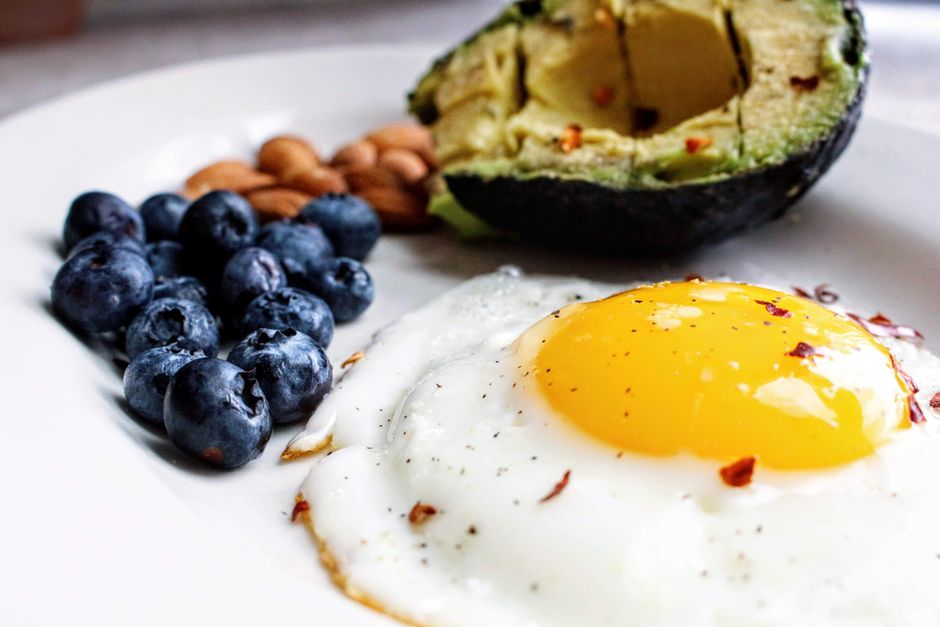
What Is a 7 day protein diet plan for weight loss?
A 7 day protein diet plan pairs protein-rich foods with vegetables and adjustable portions to fit individual calorie needs.
How Can Adults Over 65 Lose Weight Without Losing Muscle?
A practical, evidence-based guide to intentional weight loss after 65 while protecting muscle, nutrition, strength, and independence.

What Makes Food Packaging Design Effective?
Learn how emerging food brands can balance shelf appeal, online visibility, clear labeling, usability, and practical packaging tests.

What Is Creative Graphic Design?
Creative graphic design turns a message into original, clear visuals that fit the people they are meant to reach.