
What Is a 7 day protein diet plan for weight loss?
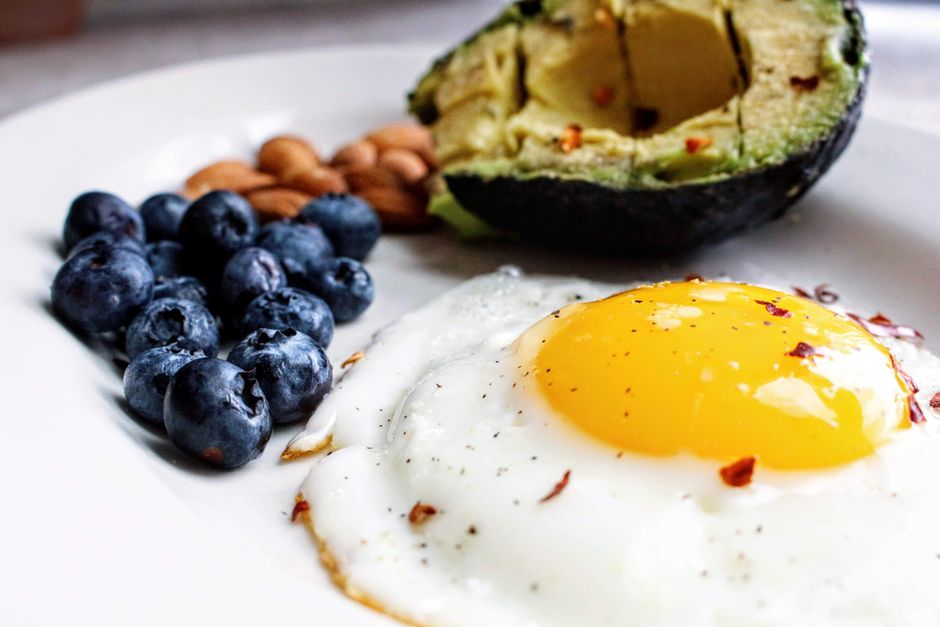
A 7 day protein diet plan for weight loss pairs protein-rich foods with vegetables, grains, and portions adjusted to your calorie needs. This sample provides roughly 1,600–1,800 calories and 100–125 grams of protein daily; those estimates are planning guides, not personalized targets. Adjust serving sizes to fit your needs, and ask a clinician or dietitian for guidance if you have kidney disease or another condition affecting diet.
What can I eat for breakfast, lunch, and dinner on each day of a 7-day protein diet plan?
You can use the menu below as a repeatable template: include a protein source at each meal, then adjust portions to your needs. Calorie and protein figures are approximate estimates for the listed meals and snacks, not values established by the research sources; brands, recipes, and serving sizes change them.
| Day | Breakfast | Lunch | Dinner | Snack | Approx. daily total |
|---|---|---|---|---|---|
| 1 | Greek yogurt, oats, berries | Chicken, brown rice, vegetables | Lentil soup, side salad, whole-grain toast | Apple with cottage cheese | 1,700 calories; 120 g protein |
| 2 | Two eggs, whole-grain toast, fruit | Tuna and white-bean salad | Tofu and vegetable stir-fry with rice | Plain yogurt | 1,650 calories; 110 g protein |
| 3 | Cottage cheese, banana, oats | Lentil and vegetable bowl with yogurt | Chicken, potatoes, broccoli | Carrots with hummus | 1,750 calories; 125 g protein |
| 4 | Overnight oats with milk and Greek yogurt | Chickpea, egg, and greens salad | Turkey or bean chili with rice | Fruit and cottage cheese | 1,700 calories; 115 g protein |
| 5 | Egg and black-bean breakfast bowl | Leftover chili with salad | Baked fish or tofu, potatoes, vegetables | Greek yogurt | 1,650 calories; 120 g protein |
| 6 | Greek yogurt, oats, frozen berries | Chicken or chickpea whole-grain wrap | Bean and vegetable pasta with cottage cheese | Boiled egg and fruit | 1,750 calories; 115 g protein |
| 7 | Vegetable omelet, toast | Tuna or mashed-white-bean sandwich | Lentil curry, rice, plain yogurt | Cottage cheese and fruit | 1,700 calories; 110 g protein |
For low-cost swaps, use dried or canned beans and lentils, eggs, plain yogurt, and frozen vegetables in place of pricier meats or fresh produce. Drain and rinse canned beans if desired, and season them to match the meal. USDA MyPlate counts beans, peas, lentils, tofu, or an egg as options in the Protein Foods Group, so a meatless substitution can still fill the protein role in a meal.
For a short prep session, cook a batch of rice or potatoes, prepare lentils or chili, and portion washed or frozen vegetables. Keep ingredients separate and assemble bowls, salads, and wraps as needed; use leftovers for the next day's lunch. You do not need protein powder to follow this menu.
How much protein should I aim for each day to lose weight?
There is no single protein target for everyone trying to lose weight; body size, activity, and health affect individual needs. The American Kidney Fund's Kidney Kitchen gives a general recommendation of 0.8 grams per kilogram of body weight daily for healthy adults, with a general range of 1–1.2 g/kg for active people.
For perspective, the Kidney Fund gives examples of about 56 grams daily for a sedentary 155-pound man and 47 grams for a sedentary 130-pound woman. These are general examples, not weight-loss prescriptions. The menu's higher estimated totals are a sample approach, not a requirement for everyone.
Kidney health changes the calculation. The American Kidney Fund notes that some people with chronic kidney disease (CKD) stages 3–5 who are not on dialysis may be advised to eat less protein, while dialysis generally increases protein needs. If you have kidney disease, ask your doctor and dietitian for an individualized target before adopting a higher-protein plan.
Do I still need a calorie deficit if I eat more protein?
Yes. A protein-rich menu does not replace the need to match food intake to an appropriate calorie plan for weight loss. Protein is one part of meal composition; portion sizes and the rest of the food still matter.
The NIDDK Body Weight Planner creates personalized calorie and activity plans to reach a goal weight and maintain it. Use a personalized estimate to adjust this sample rather than assuming the same calorie level suits every adult. The CDC also recommends tracking food and drink intake to identify practical changes and plan meals.
In a pooled analysis of adults with overweight or obesity undergoing six months of calorie restriction, the higher-protein group averaged 79 grams per day, compared with 58 grams in the lower-protein group. Both groups lost weight on average. Lean body mass loss was lower in the higher-protein group, but the researchers describe an association and say further study is needed; higher protein alone does not guarantee muscle preservation.
Keep expectations measured. CDC guidance says gradual, steady weight loss—about 1–2 pounds per week—is more likely to be maintained than faster loss. A 2024 CDC review included 14 short-term nutrition and physical-activity studies, with varied results; that variability is another reason to treat a sample menu as adjustable rather than a promise of a specific outcome.
Can I follow a high-protein weight-loss plan without meat or protein powder?
Yes. Build meals around eggs, dairy foods, tofu, beans, peas, lentils, nuts, seeds, or soy foods, then add vegetables and a grain or potato. USDA MyPlate lists these among protein-food planning options, including fortified soy milk or yogurt.
Use substitutions that preserve the meal's structure: swap chicken for beans or tofu in a rice bowl; replace tuna with mashed white beans in a sandwich; or use lentils in chili. USDA food-group equivalents include one egg, 1/4 cup cooked beans, peas, or lentils, or 1/4 cup tofu as an ounce-equivalent from the Protein Foods Group. These equivalents help with food-group planning; they do not mean every swap supplies identical calories or protein grams.
If the meal plan's portions feel too large or small, adjust the grain, oil, or snack portion before removing the main protein source. For a practical check this week, note which breakfasts and lunches keep the plan easiest to follow, then prepare those components ahead. If you have a medical condition that affects protein needs, get personalized advice before making a substantial change.
Frequently Asked Questions
What is a practical grocery list for one week of high-protein meals?
Choose a mix of eggs, plain yogurt or cottage cheese, chicken or canned tuna, tofu, beans, and lentils. Add oats, brown rice, potatoes, whole-grain bread, frozen vegetables, salad greens, fruit, and basic seasonings; swap in the lower-cost proteins and produce available where you shop.
How can I adjust portions if the sample plan has too many or too few calories for me?
Change one portion at a time: reduce or increase the grain, potato, oil, or snack portion while keeping a protein source in the meal. The NIDDK Body Weight Planner can help set a personalized calorie and activity plan, rather than treating this sample as a universal target.
Will a high-protein diet help me stay full and preserve muscle while losing weight?
Protein can be part of a weight-loss plan, and a pooled analysis found lower lean-body-mass loss in its higher-protein group during calorie restriction. That association does not mean higher protein alone guarantees muscle preservation or fullness; outcomes vary and the research authors call for further study.
Sources
Keep reading
How Can Adults Over 65 Lose Weight Without Losing Muscle?
A practical, evidence-based guide to intentional weight loss after 65 while protecting muscle, nutrition, strength, and independence.
How Do I Study Theology Through the Bible?
A practical method for reading biblical passages in context, tracing themes through Scripture, and forming beliefs without isolated proof texts.

Why Do I Need an Anticoagulant for AFib?
Understand why AFib anticoagulants are prescribed, how bleeding risk is reviewed, and which safety concerns to raise with a clinician.