
What Does Blood Pressure at Age 70 Mean?
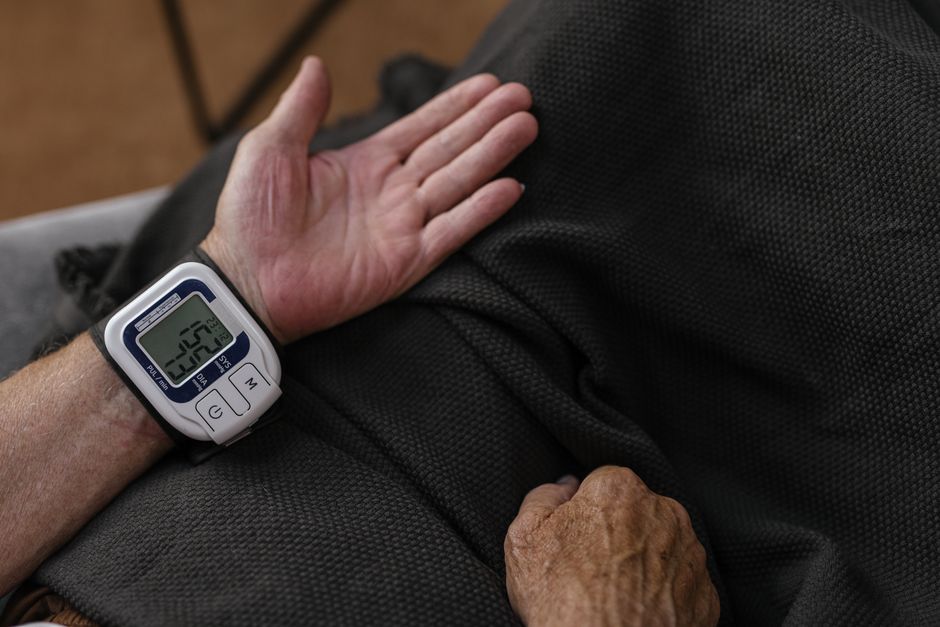
Blood pressure at age 70 is read using the same two numbers as at other ages: the top number measures pressure as the heart beats, and the bottom measures pressure between beats. A reading of 140/70 or 140/80 reaches the American Heart Association’s stage 2 high blood pressure range because the systolic number is 140. A clinician sets an individual target based on health, symptoms, medicines, and how well treatment is tolerated.
What is good blood pressure for a 70 year old?
There is no single “good” target that applies to every 70-year-old. Blood pressure is measured the same way at any age, but the right treatment goal depends on the person’s health and how well a target is tolerated.
The systolic number is the pressure as the heart beats. The diastolic number is the pressure while the heart rests between beats, according to the American Heart Association (AHA). A reading of 140/70 means the top number is 140 and the bottom is 70. The top number still matters when the bottom is lower.
The AHA classifies readings of 140 systolic or higher as stage 2 high blood pressure. This category describes the reading; it is not, by itself, a diagnosis. The AHA says only a doctor or other medical professional can confirm high blood pressure, and a single high reading is not an immediate cause for alarm.
Older adults often have higher systolic pressure as major arteries stiffen with age. The National Institute on Aging (NIA) notes that isolated systolic hypertension—systolic pressure of at least 130 with diastolic pressure below 80—is common in older adults. High blood pressure often has no symptoms, so routine checks can reveal a pattern that a person may not feel.
Is 140 over 70 ok for blood pressure?
A reading of 140/70 reaches the AHA stage 2 high blood pressure category because the systolic number is 140, even though the diastolic number is below 80. It deserves follow-up, but a single result cannot establish a diagnosis or set a personal treatment target.
The 2024 European Society of Cardiology (ESC) guideline defines hypertension in an office reading as systolic pressure of 140 mmHg or higher, or diastolic pressure of 90 mmHg or higher. That means 140/70 meets the systolic threshold. The two numbers describe different parts of the heartbeat; a lower bottom number does not cancel an elevated top number.
Repeat a high result and record both readings. The home record helps distinguish an isolated result from repeated elevations and gives a clinician information gathered outside the office. The AHA advises people to share their results with a healthcare professional; the diagnosis and next steps depend on clinical assessment, not one number alone.
Is 140/80 blood pressure normal for seniors?
A reading of 140/80 is not in the AHA’s normal category: it reaches stage 2 because systolic pressure is at least 140 and diastolic pressure is at least 80. Being a senior does not make that result automatically normal, though one reading still needs to be interpreted in context.
The systolic and diastolic thresholds can each affect how a reading is categorized. At 140/80, both numbers meet the AHA’s stage 2 criteria. At 140/70, the systolic number alone meets that category. This is why it helps to write down both numbers rather than reporting only the top one.
For readings above 180/120, the AHA advises repeating the measurement. If the repeat remains above that level, contact a healthcare professional immediately. If the high reading comes with chest pain, shortness of breath, weakness, vision changes, or difficulty speaking, call 911.
| Reading or situation | What it means in the cited guidance | Useful next step |
|---|---|---|
| 140/70 | Meets AHA stage 2 range by systolic pressure | Repeat, log, and discuss the pattern with a clinician |
| 140/80 | Meets AHA stage 2 range by both systolic and diastolic criteria | Repeat, log, and discuss the pattern with a clinician |
| Above 180/120 on repeat | AHA threshold for immediate contact with a healthcare professional | Contact a healthcare professional immediately |
| Above 180/120 with listed warning symptoms | AHA guidance calls for emergency response | Call 911 |
| Below 90 systolic or 60 diastolic | NIA description of low blood pressure | Discuss with a clinician, especially if symptoms occur |
Does a healthy blood pressure target change at age 70?
Age alone does not set a personal target. The NIA says treatment decisions for older adults take account of other health conditions and overall fitness, and that the doctor works with the individual to find a target suited to their well-being.
Guidelines offer broad goals, not a substitute for that discussion. The 2024 ESC guideline gives a general systolic treatment target of 120–129 mmHg for adults taking blood-pressure-lowering medication when it is well tolerated. It says more lenient targets can be considered for people with symptomatic orthostatic hypotension, those aged 85 or older, people with moderate-to-severe frailty, or those with limited life expectancy.
The 2025 AHA/ACC guideline describes an overarching treatment goal below 130/80 mmHg for adults, with additional considerations for people requiring institutional care or with limited predicted lifespan. The figures reflect different guideline statements and contexts. A treatment goal is not the same as a diagnostic threshold, and the clinician’s advice must account for symptoms, other conditions, and tolerance.
Medicines and symptoms matter because lowering a number is not the only concern. A target that causes troublesome dizziness when standing calls for clinical review. A clinician can weigh the home pattern alongside overall health and decide whether the target remains suitable.
Why can standing measurements add useful context?
Blood pressure taken while seated may not show what happens after standing. The ESC guideline recommends assessing for orthostatic hypotension at an initial visit and when concerning symptoms arise. It defines the condition as a fall of at least 20 mmHg systolic and/or 10 mmHg diastolic within 1 and/or 3 minutes after standing, after 5 minutes seated or lying down.
The guideline reports orthostatic hypotension in approximately 10% of hypertensive adults and up to 50% of older adults living in institutions. These are population figures, not a prediction for one person. When an older adult feels dizzy or faint on standing, those symptoms and the timing of a measurement are details a clinician can use to assess the overall blood pressure picture.
How can home readings make a target clearer?
A home log shows whether an office result matches readings taken on other days. The ESC guideline emphasizes out-of-office measurements to confirm treatment targets and shared decisions about them. The 2025 AHA/ACC guideline also identifies home monitoring, clinician interaction, and standardized measurement as important tools for improving blood pressure control.
For a useful record, note the date, time, both readings, and relevant symptoms. Bring the log and the monitor to an appointment. That gives the healthcare professional a chance to review the pattern and check whether the device and technique are sound.
Frequently Asked Questions
How should a 70-year-old check blood pressure at home?
Use a validated automatic upper-arm monitor with a correctly sized cuff. Avoid smoking, caffeine, and exercise for 30 minutes beforehand, empty the bladder if needed, and sit quietly for at least 5 minutes. Take two readings one minute apart at the same time each day, record them, and bring the monitor to an appointment so a healthcare professional can check the device and technique.
Why should blood pressure be checked while standing if an older adult feels dizzy?
A reading after standing can help a clinician check for orthostatic hypotension, a drop in blood pressure associated with a change in position. The 2024 ESC guideline defines it as a fall of at least 20 mmHg systolic and/or 10 mmHg diastolic within 1 and/or 3 minutes after standing following 5 minutes seated or lying down. Dizziness or faintness alongside a position change is useful context for the clinician.
When should a 70-year-old call a doctor about a high or low reading?
A repeated reading higher than 180/120 warrants immediate contact with a healthcare professional, according to the AHA. If that high reading occurs with chest pain, shortness of breath, weakness, vision changes, or difficulty speaking, call 911. A reading below 90 systolic or 60 diastolic, especially with lightheadedness, weakness, dizziness, or fainting, also warrants discussion with a clinician.
Sources
- American Heart Association: Understanding Blood Pressure Readings
- American Heart Association: Monitoring Your Blood Pressure at Home
- European Society of Cardiology: 2024 Guidelines for the Management of Elevated Blood Pressure and Hypertension
- National Institute on Aging: High Blood Pressure and Older Adults
- American Heart Association, Professional Heart Daily: 2025 High Blood Pressure Guideline
Disclaimer: This article is for general information only and is not medical advice. It is not a substitute for diagnosis or treatment by a qualified healthcare professional. Always speak to your doctor before acting on anything you read here.
Keep reading

Why Do I Need an Anticoagulant for AFib?
Understand why AFib anticoagulants are prescribed, how bleeding risk is reviewed, and which safety concerns to raise with a clinician.

How Do I Understand Fatty Liver Test Results and Fibrosis Risk?
A plain-language guide to fatty liver ultrasound findings, ALT and AST, FIB-4 scores, FibroScan, and specialist follow-up.
What Are Dental Implants Without Drilling?
“Dental implants without drilling” may mean flapless gum access, which often still uses bone drills, or a distinct drill-free system.

How Can Adults Over 65 Lose Weight Without Losing Muscle?
A practical, evidence-based guide to intentional weight loss after 65 while protecting muscle, nutrition, strength, and independence.