
What Can a Mobile Vet Do at Home, and When Do You Need a Clinic?
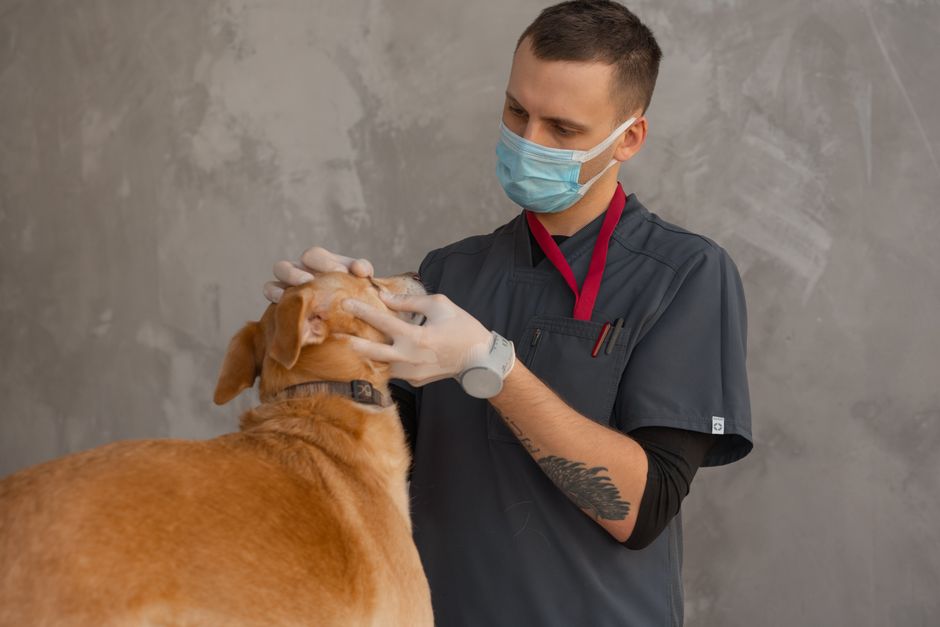
A mobile veterinarian can provide many routine services at home, including examinations, vaccinations, microchipping, sample collection, and some minor procedures. The exact range depends on the veterinarian’s equipment, staff, facilities, and training. Advanced imaging, surgery, intensive treatment, or emergencies can require a traditional veterinary hospital, so ask what the service can handle and where it refers patients.
What services can a mobile vet provide at home?
A mobile vet can provide routine care at home, with the specific services shaped by the setting and equipment. The Western Australia Veterinary Surgeons’ Board lists consultations, examinations, investigations, vaccinations, microchipping, some minor procedures using light to moderate sedation or local anaesthetic, and euthanasia among services that may be offered.
A house call and a fully equipped mobile clinic are not the same thing. A home visit may rely on portable tools and the space available in the home. A mobile unit can have more facilities, but its capabilities still depend on its design, equipment, staffing, and compliance with local rules.
For instance, the California Veterinary Medical Board’s mobile-premises checklist covers radiological and laboratory services, emergency drugs and equipment, general anaesthesia, surgery, and aseptic surgery. Those checklist categories show that “mobile vet” does not describe one fixed level of care. Ask whether a particular service can be done on the visit, and what would prompt referral.
Some house-call practices describe a nose-to-tail examination, weighing, collection of blood, urine, or stool when needed, and vaccinations selected around the pet’s lifestyle. These are useful examples, not a guarantee that every provider offers each service. Share the reason for the visit when booking so the veterinary team can say what to expect.
Can a mobile vet treat a sick dog or cat?
A mobile vet can assess a sick dog or cat and provide treatment within the provider’s capabilities; illness alone does not decide whether a home visit is suitable. The key question is whether the animal’s needs can be met safely with the people, equipment, and facilities available.
A veterinary facility also changes the risks of a procedure. The Veterinary Practitioners Registration Board of Victoria says routine clinic procedures can carry additional risks in a mobile clinic or house call. It expects practitioners to tell owners about facility limitations or added risks so consent is informed.
The threshold for referral is the animal’s welfare. The Western Australia board says a veterinarian must refer an animal to a registered veterinary hospital or clinic if a lack of equipment, staff, facilities, or expertise may compromise that welfare. That principle applies whether the next step is more testing, closer monitoring, or treatment beyond what the mobile service can provide.
When sedation or anaesthesia is involved, ask how the pet will be monitored and where recovery will take place. Victoria’s guidance expects practitioners to supervise an animal until it can stand and walk unaided, except when injury prevents it from walking. A mobile provider should explain how the visit’s setting and available assistance affect the plan.
Can mobile vets do X-rays, surgery, or dental cleanings?
Some mobile clinics can provide selected imaging or procedures, but the answer depends on their equipment and facilities; a house call does not automatically include those services. California’s checklist addresses radiological services, general anaesthesia, surgery, and aseptic surgery, which makes capability a practical question to settle with the provider before the appointment.
Surgery has a sharper boundary. The Western Australia guideline generally prohibits surgery requiring general or dissociative anaesthesia outside a registered veterinary hospital or clinic, with specified exceptions. Rules differ by jurisdiction, and the guideline is not a universal rule for every location. Ask what local requirements apply and whether the procedure belongs in a hospital.
Dental cleaning also requires a direct answer from the practice. The provided sources do not set out a general list of mobile dental services, so they cannot establish that a mobile vet can perform a cleaning in every setting. Ask whether the service offers the procedure, what anaesthesia and monitoring it uses, and where it refers pets whose needs exceed the mobile facility.
Referral is not a failure of home care. It is how care continues when the animal needs a different room, tools, or team. Before booking, learn the practice’s referral hospital and the route for after-hours help. California’s checklist calls for mobile practices to give clients contact details, operating hours, and the name, phone number, and location of a veterinary facility for after-hours emergency care.
How to prepare for a mobile vet appointment
A useful visit begins with a clear picture of the pet and a workable place to examine them. Provide prior medical history and write down changes in appetite, elimination, mobility, behavior, or physical condition. Details that seem small at home can help frame the examination.
Set up a contained, well-lit area where the pet can be examined. The house-call guidance from Tobias Veterinary Services recommends leashing dogs and securing cats in a room before arrival. Keep other pets apart if their presence will make the examination harder, and check with the practice if you are unsure what space or restraint is suitable.
Before the visit, confirm the reason for the appointment, any records the vet wants, and whether you should collect a sample. Ask what can be done at home, what equipment the provider brings, and what would require a clinic referral. If the visit could involve sedation, ask about monitoring and recovery.
Keep the clinic’s contact details and after-hours referral information accessible. A California checklist specifically addresses how mobile practices communicate operating hours and emergency-facility details. Knowing the plan in advance keeps an urgent change from becoming a search for the right number.
Frequently Asked Questions
Do mobile vets handle emergencies?
Some mobile practices provide contact details and an after-hours emergency referral, but a house-call service is not a substitute for an emergency hospital. For life-threatening signs such as trouble breathing, collapse, heavy bleeding, seizures, trauma, difficulty urinating, severe or prolonged vomiting, or a distended or painful abdomen, go immediately to the nearest emergency clinic. Cornell University’s emergency service gives this same immediate direction for life-threatening emergencies.
What should I have ready before a mobile vet appointment?
Share your pet’s prior medical history and note changes in appetite, elimination, mobility, behavior, or physical condition. Set aside a contained, well-lit examination area; leash dogs and secure cats in a room before the visit. Keep other pets separate if needed, and ask which records or samples the veterinarian wants.
Sources
Keep reading

Why Do I Need an Anticoagulant for AFib?
Understand why AFib anticoagulants are prescribed, how bleeding risk is reviewed, and which safety concerns to raise with a clinician.

How Do I Understand Fatty Liver Test Results and Fibrosis Risk?
A plain-language guide to fatty liver ultrasound findings, ALT and AST, FIB-4 scores, FibroScan, and specialist follow-up.

How Do I Care for a 7 Week Old Puppy?
A practical guide to feeding, sleep, potty training, safe socialization, vet care, and urgent warning signs for a 7 week old puppy.

Find and Meet a Humane Society Dog With Confidence
Learn where to find adoptable dogs, confirm listing status, compare meeting options, and ask useful questions about health and behavior.